
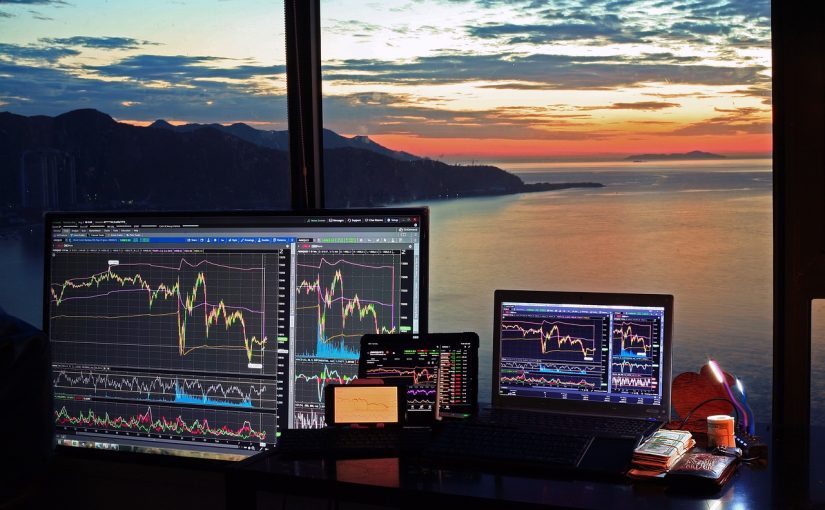
Contract for Difference (CFD) trading has become an increasingly popular choice for Indian retail traders seeking access to global markets, including stocks, indices, commodities, and forex. With advances in technology, evolving regulations, and growing investor awareness, the CFD trading landscape in India is poised for significant changes.
Understanding emerging trends helps Indian traders stay ahead, adapt strategies, and capitalize on opportunities in this dynamic market.
- Growth of Online Trading Platforms
One of the most significant drivers for CFD trading in India is the expansion of online trading platforms:
- Brokers now offer user-friendly web and mobile platforms with advanced charting, analytics, and automated tools.
- Integration of real-time news feeds, economic calendars, and social trading features makes global markets more accessible.
- Increased adoption of mobile trading apps allows traders to monitor and execute trades anywhere, anytime.
Future outlook: Expect more AI-driven and intuitive platforms that provide personalized insights and enhanced trade execution for Indian traders. With Vida Markets multi-asset trading in India, Indian users can trade globally with a professional broker at competitive rates.
- Increasing Retail Participation
CFD trading in India is seeing rapid adoption among retail traders:
- Greater awareness of global market opportunities beyond NSE and BSE stocks.
- Attractive leverage options allow traders with smaller capital to access international markets.
- Social media and online communities educate new traders about risk management, strategies, and broker selection.
Trend: Retail participation is likely to increase further, prompting brokers to offer more tailored products for Indian traders.
- AI, Automation, and Algorithmic Trading
Technology is reshaping the CFD trading experience:
- Artificial Intelligence (AI) helps with predictive analytics, sentiment analysis, and automated alerts.
- Algorithmic trading tools allow Indian traders to execute pre-programmed strategies efficiently.
- Machine learning models can analyze global economic events and recommend optimal entry and exit points.
Future trend: AI and automation will enhance precision, reduce emotional trading, and improve profitability for Indian CFD traders.
- Expansion of Global Market Access
CFD brokers continue to provide access to a growing range of global assets:
- International indices, commodities, ETFs, and forex pairs are becoming easily tradable from India.
- Brokers are incorporating emerging markets and niche instruments, allowing traders to diversify portfolios.
- CFDs enable trading 24/5 or even 24/7 in some markets, depending on asset class.
Implication: Indian traders can participate in international markets without the complexities of direct foreign investment.
- Evolving Regulatory Environment
Regulation will shape the future of CFD trading in India:
- Currently, CFDs are not officially regulated by SEBI, but brokers often comply with international standards (FCA, CySEC, ASIC).
- Increased regulatory attention is expected, focusing on investor protection, leverage limits, and disclosure requirements.
- Regulatory clarity may encourage more trusted brokers to operate in India, reducing counterparty risk.
Trend: A regulated CFD market in India could boost trader confidence and attract more participants.
- Emphasis on Education and Risk Awareness
As CFD trading involves leverage and higher risk:
- Brokers are offering educational resources, webinars, and demo accounts to train Indian traders.
- Risk management tools, alerts, and strategy guides are becoming standard on trading platforms.
- Social trading and copy trading allow beginners to learn from experienced traders safely.
Future outlook: Education and responsible trading practices will be key factors in sustaining CFD market growth in India.
- Mobile and Social Trading Trends
Mobile trading and social features are changing how traders engage with CFDs:
- Mobile apps with real-time charts, one-click orders, and notifications are increasingly popular among Indian retail traders.
- Social trading networks enable strategy sharing, sentiment tracking, and copy trading.
- Community-driven insights are fostering collaboration and learning among traders.
Trend: Expect deeper integration of mobile, social, and AI-driven trading solutions.
- Integration of Risk Management and Analytics
Future CFD platforms will focus on helping traders make data-driven decisions:
- Advanced analytics tools to monitor portfolio performance, exposure, and volatility.
- Integrated risk management to automatically adjust leverage, margin, and stop-loss levels.
- Predictive dashboards highlighting high-impact global economic events.
Benefit: Indian traders will gain more control over risk and strategy execution, improving trading outcomes.
- Key Takeaways for Indian Traders
- Online and mobile platforms will continue evolving with AI and automation.
- Retail participation in CFD trading is likely to grow due to accessibility and leverage.
- Algorithmic trading and AI tools will enhance strategy execution and market analysis.
- Global market access will expand, allowing diversified portfolios.
- Regulatory clarity may improve safety and transparency for Indian traders.
- Education and risk management tools will be integral to sustainable trading growth.
- Social trading and community insights will shape the trading experience. Using Vida Markets broker services for Indian users, Indian investors can trade efficiently with transparency and confidence.
The future of CFD trading in India is poised for rapid growth and transformation. Emerging technologies, expanding market access, and improved broker services are making CFDs more accessible, transparent, and efficient for Indian retail traders.
For traders in India, staying informed about trends, tools, and regulatory developments is critical to capitalizing on opportunities, managing risk, and succeeding in a competitive and dynamic trading environment.